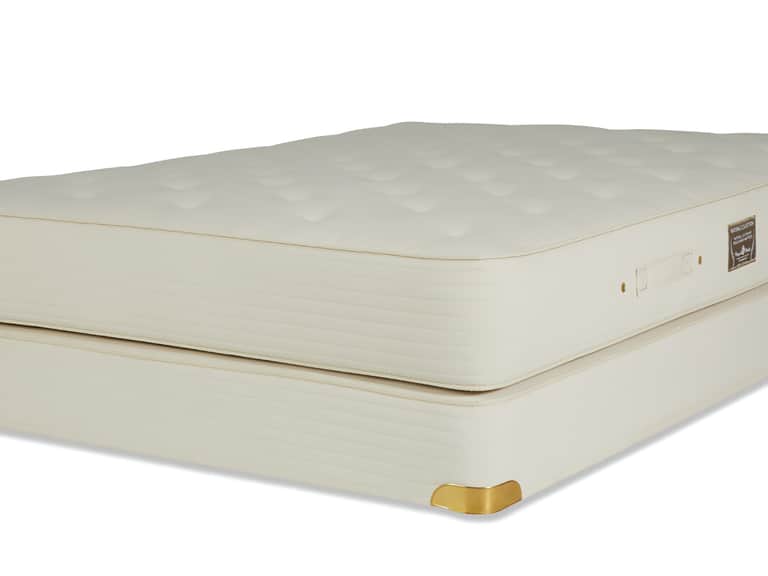
Sleep quality hinges on more than surface comfort. It rests on how a mattress aligns the spine, relieves pressure points, and tempers the night with temperature regulation. This guide unfolds a framework for selecting a mattress that supports your sleep health across time, bodies, and evolving routines. It also threads the boxed-mattress trend into a broader conversation about wellness, science, and everyday life.
The human body does not switch off uniformly at night. A good mattress helps the body hold a neutral spine throughout the course of a night’s sleep, which in turn reduces micro-movements that fragment rest. While comfort is essential, the best mattresses for health also offer pressure relief at the shoulders and hips, stable support for the lower back, and breathability that prevents overheating. Temperature regulation—through breathable materials, moisture-wicking fibers, and natural fills—has emerged as a cornerstone of sleep health in recent decades.
The discourse around mattresses now sits at the intersection of three strands: the science of sleep and its stages, the ergonomics of positions and body types, and the practical realities of how a mattress is sold and delivered. Boxed mattresses—those wrapped and shipped in a compact parcel—have made the market more accessible, yet they also invite questions about integrity, longevity, and what the buyer should expect after unboxing. The following sections explore these threads with a focus on how to choose for lasting sleep quality, not merely a night of comfort.
This guide leans on a tradition of careful, evidence-informed thinking about sleep, while recognizing the human desire for a bed that feels like a trusted companion after a long day. We’ll move from anatomy to option, from boxed logistics to material science, and finally to a practical purchasing framework that includes a spotlight on a real-world product that epitomizes the current mood of organic, mindful bedding.
The core objectives of a mattress—support, pressure relief, and temperature management—rarely align perfectly for every sleeper. Yet the science suggests that neutral spine alignment, a distribution of body pressure that minimizes tossing, and breathable fabrics that wick moisture are reliable predictors of restorative sleep. If you map these three axes, you can begin to parse which mattress categories best fit your physiology and your nightly rhythms.
The interplay among these elements often manifests in consumer choices around firmness, materials, and layering. For example, an average side sleeper may prefer a slightly softer surface to accommodate the shoulder while a back sleeper might seek steadier support through the lumbar region. A stomach sleeper may prioritize a firm surface to prevent the midsection from sagging. These nuances, when mapped to a mattress’s materials and construction, can transform a good night’s sleep into a genuinely restorative one.
The boxed mattress revolution—think the familiar “bed-in-a-box” model—arrived not simply as a shipping trick but as a business model built on the promise of convenience, price transparency, and rapid delivery. Yet for the health-minded consumer, the question remains: does shipping logistics affect the mattress’s integrity or lifespan?
In a world where a mattress can be unboxed on a doorstep and unfolded in minutes, it becomes essential to decode what the packaging does to materials, foams, and springs. Boxed mattresses range from all-foam constructions to hybrid innersprings and organic layers. The key to health-focused buying is not to dismiss boxed options outright but to examine, with a critical eye, the materials, certifications, and long-term care requirements that accompany boxed delivery. Read the product’s specifications for support level, breathability, and warranty, and consider how a boxed unit will perform in your actual sleep environment.
Materials are not mere packaging; they participate in the sleep experience. Latex offers bounce and breathability, particularly when layered with natural cotton covers and wool toppers. Coils provide durability and zone-support opportunities, while organic cotton and wool deliver temperature-regulating benefits and a sense of chemical safety for sensitive sleepers.
Organic options emphasize low chemical exposure, often combining GOTS-certified textiles, GOLS-certified latex, and natural wool. For sleepers with allergies or chemical sensitivities, these features can translate into a more comfortable, longer-lasting sleep surface.
A practical takeaway: if you prioritize organic materials and non-toxic finishes, you may opt for a mattress that pairs organic core components with breathable, cover fabrics—ideally with certifications that reassure about ingredient safety.
These figures, spanning ancient medicine to modern neuroscience, remind us that the quest for better sleep is a continuum—one that begins in the bedroom but resonates through habits, health, and science. The bed is a stage on which the body rehearses its nightly return to balance, and the right mattress is a careful director, shaping movement, comfort, and resilience.
The following framework translates theory into action. It helps translate the hallmarks of good sleep—spinal alignment, pressure relief, and temperature comfort—into concrete buying decisions. The aim is not to chase the latest craze but to align your mattress with your sleep health profile and life context.
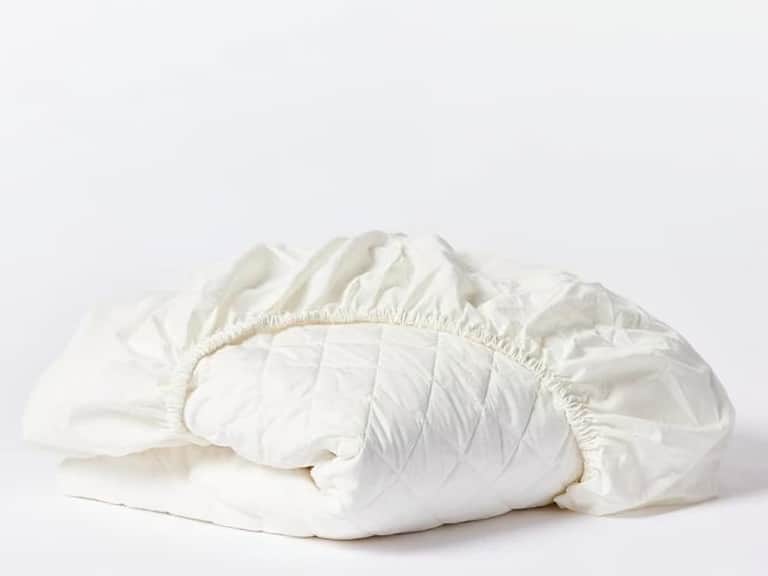
For those who want a concrete product anchor, consider a practical example from the organic bedding world: Coyuchi Organic Cotton Mattress Pad (569). While not a mattress itself, its role as a protective, breathable, GOTS-certified layer underscores how we can complement a health-forward mattress with accessories that maintain a chemical-free sleep environment. This pad features a 220-thread-count organic cotton percale, deep pockets for thick mattresses, and a durable elastic edge to stay in place—an unobtrusive, compatible partner for a wellness-focused bed.
Product Spotlight (no images): Coyuchi Organic Cotton Mattress Pad, 569 — 198.00 USD
Notes: This is a protective pad designed to fit mattresses with up to a 15" depth, featuring GOTS-certified organic cotton and a two-inch quilted square design. It embodies the ethic of organic sleep foundations: safe, breathable, and durable.
The market offers three broad directions, each with distinct advantages:
The educational path—our preferred direction—offers a unique opportunity to connect sleep science with everyday decision-making, without losing sight of the practicalities of buying and living with a mattress. The heart of the matter is that a mattress is a daily tool that shapes, not merely reflects, our health.
Consider how a single product from the field—an organic cotton mattress pad—fits into a broader sleep-health strategy. The Coyuchi Organic Cotton Mattress Pad demonstrates how a simple layering accessory reinforces the health ethos: organic materials, breathable construction, and practical care. In a bedroom designed for restorative sleep, such a pad can help extend the life of the underlying mattress, reduce the introduction of chemicals into the sleeping environment, and support temperature regulation through natural fibers.
The pad is not glamorous in the way a mattress may be celebrated, but it is essential. It serves as a bridge between lifestyle choices (organic, non-toxic) and daily routines (washing, care, temperature comfort). It also exemplifies the broader principle that sleep health is cumulative—the sum of a good mattress, a well-chosen topper or pad, and a room that supports rest.
For readers seeking a tangible next step, I recommend starting with a single health-forward accessory like this Coyuchi pad, then pairing it with a mattress that matches your sleep profile—whether it is a latex-based, coil-based, or organic option—so you can test the fit in your own sanctuary.
In the end, choosing a mattress is less a purchase than a commitment: a commitment to the quality of your nights and, through them, the quality of your days. It is a choice that acknowledges the science of sleep while honoring the rituals that make a bedroom a sanctuary. The historical voices—Hippocrates guiding early medical thought, Florence Nightingale reframing hospital life for health, and Dement charting the pathways of our nocturnal minds—remind us that sleep is not a modern indulgence but a longstanding human necessity. Our beds are instruments for health, and the mattress is the instrument’s primary string.
As we ride the boxed-mattress wave—where the old idea of a handcrafted bed collides with modern logistics—the guiding principle remains: prioritize materials with proven health credentials, test the fit for your body and posture, and cultivate a sleep environment that makes your nights truly restorative. The science is clear enough to be welcoming: the right combination of support, pressure relief, and temperature regulation can turn a bed into a medicine for wakefulness.
And if you are tempted to test a boxed option, remember the practical steps outlined here: know your sleep position, seek in-store demonstrations and trial periods, consider temperature preferences, and lean into organic, non-toxic materials whenever possible. A well-chosen mattress is more than a place to lie down; it is a well-formed ally in the ongoing art and science of living well through sleep.
Coyuchi Organic Cotton Mattress Pad (569) — 198.00 USD. GOTS-certified organic cotton, 220-thread-count percale, deep 15" pockets, solid elastic edge for a secure fit. A durable, breathable layer compatible with organic mattresses. This pad is a practical example of how a health-focused sleep ecosystem extends beyond the mattress itself.
Note: The pad is presented here as a health-forward accessory rather than a replacement for a mattress. It complements organic bedding systems and helps maintain a non-toxic sleeping environment.
Published on 2026-04-02. This guide draws on sleep science and wellness thinking, emphasizing neutral spine alignment, pressure relief, temperature regulation, and the practical realities of boxed-mattress buying. Keywords: sleep quality, mattress guide, sleep science, mattress materials, sleep position, temperature regulation, sleep health.
Price: $198.00
View Product
Price: $138.00
View Product
Price: $6,550.00
View Product