Furniture design encompasses a wide range of structural and aesthetic considerations critical to creating functional living spaces. In the bed domain, frames serve as the foundation for mattresses, providing support, alignment, and durability. Materials, joinery, and finish options influence longevity, ease of assembly, and compatibility with bedding such as sheets and organic mattresses.
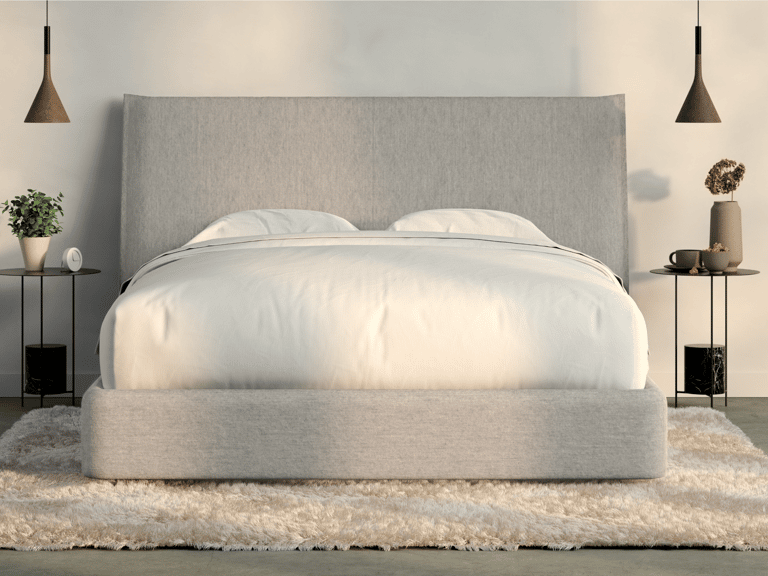
Understanding bed frames involves evaluating support systems, weight capacity, and platform configurations. The Haven Bed Frame offers robust slat support and secure headboard integration, enhancing stability for diverse mattress types. Metal Bed Frame variants emphasize durability, reduced squeak, and streamlined assembly, making them suitable for modern interiors and varied room layouts.
When selecting furniture for sleeping environments, compatibility with bedding components is essential. Rigid support structures complement organic mattresses and organic crib mattresses by minimizing motion transfer and maintaining proper spinal alignment. A well-chosen frame contributes to overall sleep quality by sustaining mattress performance and comfort over time.
Key features to consider include height, under-bed clearance for cleaning, and ease of maintenance. The Haven Bed Frame blends sturdy construction with a timeless silhouette, while Metal Bed Frame designs prioritize metal-to-metal connections and powder-coated finishes that resist wear. These attributes support both practical use and long-term aesthetic coherence with bedding such as pillows and sheets.
In an informational overview of furniture components, attention to assembly requirements, tool needs, and warranty coverage helps users plan accordingly. Understanding how bed frames interact with mattress types—such as organic mattresses—and with accessories like bedding and pillows clarifies choices for sleep environments. This category highlights design variance, material science, and usability essential for informed selection.
 Furniture