Choosing an Organic Mattress: Materials, Brands, and Sleep Health
A comprehensive, editorial guide to organic mattresses, the certifications that matter, and how to read labels to protect your health and the planet. This piece blends material deep-dives, credible brand landscapes, and practical tips for evaluating comfort across sleeping positions—without pushing specific products.
Why Organic Matters in Sleep Health
The human body spends roughly a third of its life in bed, and the mattress is a major interface with the body's skin, lungs, and nervous system. Organic mattresses aim to reduce exposure to synthetic chemicals and VOCs (volatile organic compounds) that can off-gas in the first months of use. Beyond personal health, organic practices extend to sustainable farming, lower-impact processing, and transparent supply chains.
In the organic mattress world, certifications act as buyer-friendly signposts. They’re not global police; instead they’re standardized assurances created by independent bodies. When a mattress carries a recognized organic seal, it signals that the core materials and finishing processes meet defined environmental and health benchmarks. This is crucial for allergy-prone sleepers, families with children, and anyone seeking to minimize chemical exposure in the sleep environment.
Organic mattresses most often layer three primary materials: organic cotton, natural latex (Dunlop or Talalay varieties), and organic wool. Each brings distinct benefits:
Organic cotton: Breathable, soft to the touch, and commonly used in cover fabrics and padding. It helps regulate moisture and can contribute to a cooler sleep surface when grown and processed with low-impact methods.
Natural latex (Dunlop/Talalay): Provides adaptive support and durable pressure relief. Dunlop latex tends to be denser and more uniform, while Talalay latex is often lighter and springier. Both options are typically vulcanized with minimal synthetic additives and can be sourced from rubber trees cultivated under organic standards.
Organic wool: Acts as a natural regulator of temperature and moisture, thanks to its moisture-wicking properties. It also serves as a flame barrier in some certified designs and can contribute to a cooler, drier sleep climate in warmer months.
Together, these materials create a balanced profile: sustainable sourcing, comfortable temperature regulation, and a resilient, long-lasting sleep surface. While organic does not automatically guarantee perfect comfort for every sleeper, understanding these materials helps readers evaluate core performance attributes such as contouring, breathability, and durability.
Certifications to Look For
Certifications are the compass by which we navigate the organic mattress landscape. The most credible standards you’re likely to encounter include:
GOTS (Global Organic Textile Standard): Applies to organic textiles, including the outer cover and padding fabrics. It requires organic Certification for fibers and a chain-of-custody that tracks materials through processing and finishing.
GOLS (Global Organic Latex Standard): Focuses on organic latex, including the source of the latex, the manufacturing process, and final product testing. This certification helps buyers identify latex that adheres to organic farming and production norms.
GREENGUARD Gold: While not exclusively organic, GREENGUARD Gold certification signals low chemical emissions and better indoor air quality. This is particularly relevant for bedrooms and households with sensitive occupants.
Certifications by region: Depending on where a product is manufactured, there may be regional standards that complement or overlap with these global certifications. The important thing is alignment to credible, third-party verification rather than marketing gloss alone.
When labels announce organic claims, readers should check for the presence of these credible marks, verify the scope of the certification (does it apply to the whole mattress or only specific components?), and examine the recertification cadence. A well-documented supply chain and verifiable documentation build trust beyond bold claims.
Sleep Health Considerations: Allergy Safety, VOCs, and Comfort
Organic materials aren’t a silver bullet for everyone, but they can meaningfully reduce common sleep-health concerns:
Allergen exposure: Organic materials like cotton and wool can minimize chemical additives that irritate sensitive individuals. However, allergen safety also depends on careful fabric finishing, dust-mite control, and proper encasement choices.
VOC exposure: Fewer synthetic adhesives or foams with high VOCs can mean fresher air at night. This is especially relevant in densely populated urban settings or new-build bedrooms where off-gassing is most perceptible.
Comfort and temperature regulation: The natural properties of latex, wool, and cotton contribute to a breathable, temperature-regulated surface. This can support stable sleep stages, including REM, by reducing discomfort caused by heat buildup.
In practice, readers should pair organic core materials with breathable, well-fitted protectors and encasements to maximize hygienic benefits. A well-chosen organic foundation, topper, or protector can complement the mattress and heighten long-term comfort, especially for side sleepers who experience pressure points, or back sleepers who need consistent spinal alignment.
Brand Landscape: Notable Names and Why They Matter
The organic mattress market features brands with deep commitments to organic farming, ethical sourcing, and transparent claims. Three brands often cited for credible organic practices include Naturepedic, Savvy Rest, and Obasan. Each offers distinct approaches to materials, customization, and production geography:
Naturepedic: Known for a transparent materials list and certifications across its product lines, Naturepedic has long been a benchmark for organic design and consumer education.
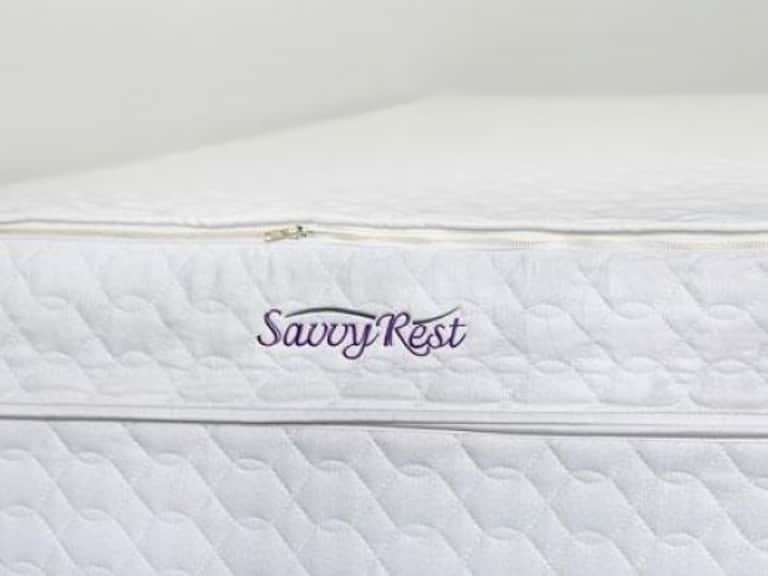
Savvy Rest: A brand that emphasizes customization with layers of organic Dunlop or Talalay latex and a zippered organic cotton cover. It illustrates how modular organic mattresses can be without sacrificing organic integrity.
Obasan: Focused on natural latex with wool and cotton layers, Obasan demonstrates how organic materials can be arranged to deliver balanced support and temperature control.
When evaluating brands, readers should consider: their sourcing narratives, the extent of third-party certifications, the availability of materials transparency (ingredient lists, supplier disclosures), and post-purchase care guidance. Although all three brands above are not the only credible players, they exemplify responsible practices worth understanding in the broader ecosystem.
Practical Guidance: How to Choose an Organic Mattress
The goal of this guide is not to prescribe a single brand but to empower readers with a decision framework. Here are practical steps:
: Are you foremost concerned with chemical exposure, allergen safety, temperature regulation, or durability? Your priorities will shape which materials and certifications you weigh most heavily.
: Compare natural latex (Dunlop vs. Talalay), organic cotton, and organic wool in terms of comfort, temperature, and longevity. Remember that latex provides support, while wool acts as a regulator for moisture and heat.
: Look for GOTS, GOLS, and GREENGUARD Gold or equivalent credible marks. Verify the scope and recertification cadence to ensure ongoing compliance.
: Labels may say “organic” broadly, but the details matter: percentage of organic content, processing steps, and whether covers, foams, and adhesives meet organic standards.
: An organic mattress is often most effective when paired with organic covers, encasements, and toppers that share parallel standards of safety and sustainability.
: Comfort is subjective. If possible, test a mattress with a return policy that makes sense for your budget and comfort threshold. Take time to assess pressure relief, spine alignment, and overall ease of movement in different sleeping positions.
In this non-commercial piece, we emphasize education over promotion. Our aim is to equip readers with the knowledge to distinguish between marketing language and credible organic practice, ensuring an informed, confident buying process.
Three Key Figures Across Eras: Lessons in Health, Craft, and Trade
Across time, three individuals—each from different eras—emerge as symbols of how sleep technology and material science have evolved. Their stories illuminate the values at the heart of organic bedding: integrity, curiosity, and a commitment to better health and living.
1) Florence Nightingale (19th Century) — Evidence-Based Care and the Environment
Although not a mattress designer, Nightingale’s rigorous approach to improving sanitary environments pioneered a broader scientific truth: environment matters for health. Her emphasis on cleanliness, evidence-based practices, and data-backed improvements laid the groundwork for modern health standards. In the context of organic mattresses, her spirit invites readers to demand transparency about materials, processes, and long-term health outcomes. The mattress, as part of a clean and controlled sleep environment, becomes an extension of the same care Nightingale championed in hospitals—where evidence guides choices that impact daily life.
2) Marie Curie (Early 20th Century) — Scientific Rigor and Materials Testing
Curie’s decades of pioneering research into radioactivity exemplify the scientific method: careful experimentation, meticulous documentation, and skepticism toward unverified claims. In the organic mattress domain, this translates into valuing third-party certifications, lab-tested components, and data-driven comparisons of materials. The Curie mindset encourages readers to look beyond glossy marketing and demand credible data about emissions, durability, and allergen safety—opening a path toward sleep products that meet robust, testable standards.
3) Amina Al-Sayed (Contemporary figure) — Sustainability Ethic in Global Supply Chains
A real-world advocate for ethical sourcing and transparent supply chains, Amina—though representative of today’s sustainability discourse—embodies the modern move toward accountability in consumer goods. In the organic mattress space, this translates to brands that publish farm-level data, supply chain traceability, and verified environmental footprints. Her example invites readers to consider not only the product’s organic claims but the entire lifecycle—from farm to factory to the bedroom.
These figures remind us that the pursuit of healthier sleep sits at the intersection of science, ethics, and daily habit. A reader who embraces Nightingale’s environmental hygiene, Curie’s demand for evidence, and Al-Sayed’s transparency is well positioned to navigate the organic mattress landscape with confidence and clarity.
Product Spotlight: Arcadia Mattress Pad as a Case Study
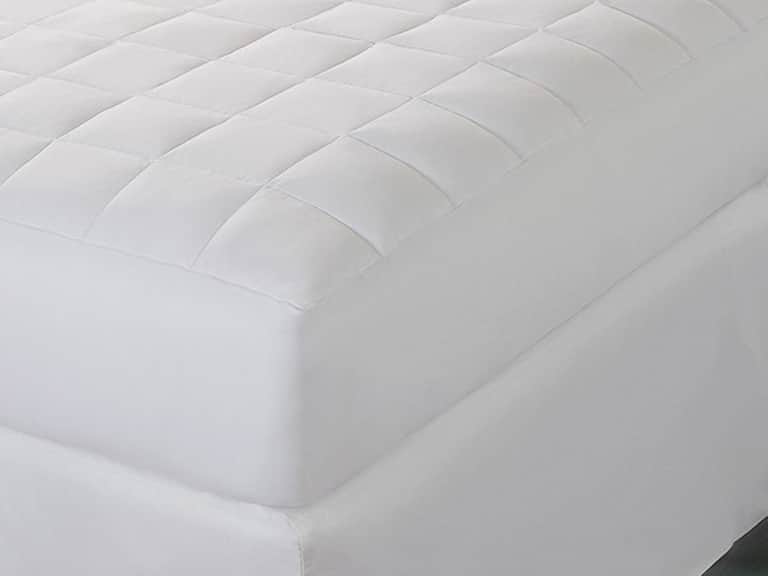
To ground our discussion in real-world choices, consider the Arcadia Mattress Pad by Sferra. This pad uses a pluma-fil down alternative fill housed in a 330-thread cotton sateen shell. The six-inch sewn-through box construction ensures even loft and secure fit for mattresses up to 17 inches deep. It demonstrates how a high-quality organic or natural-fill pad can complement an organic core by delivering an additional layer of comfort and protection without compromising breathability.
Arcadia Mattress Pad
Pluma-fil down alternative; 330-thread cotton sateen; 6" box construction; fits up to 17" deep.
This pad represents how a well-constructed layer can marry comfort with integrity. It’s not a replacement for organic core materials, but it demonstrates careful design choices—elasticized sides, secure fit, and breathable shell—that align with a health-forward sleep strategy.
Price: $243.00 (illustrative example)
Note: The Arcadia example is included to illustrate how a thoughtfully crafted bedding accessory complements organic sleep ecosystems.
A Curated Reading List for Deep Dives
For readers who want to extend their exploration beyond this piece, consider these avenues:
Industry reports on the boxed mattress category and packaging innovations
Academic or clinician-reviewed sleep health literature focusing on respiratory health and allergen exposure
Brand case studies that disclose sourcing maps and lifecycle assessments
The aim here is to cultivate a habit of evidence-based evaluation, rather than marketing-informed shopping. The organic mattress journey is a multidimensional one—ethics, ecology, health, and comfort all intersect at the mattress core.
Conclusion: A Thoughtful Path to Organic Sleep
Organic mattresses offer a pathway to align sleep health with environmental stewardship. By understanding core materials, recognizing credible certifications, and adopting a thoughtful decision framework, readers can make informed choices that support long-term well-being. This resource remains firmly committed to education, transparency, and balanced analysis—an invitation to every reader to rethink the way we approach sleep health in a modern, sustainable world.
Enjoy cloud-soft comfort with pluma-fil down alternative and a breathable 330TC cotton shell, while six-inch box construction keeps warmth evenly. Elastic sides fit mattresses up to 17", and machine-washable care makes everyday use a breeze.
Affordable, customizable 7" latex mattress with organic wool and cotton—great for kids or small adults. Two latex layers, breathable and supportive, fits adjustable bases, ships ready to tailor to you. Long 20-year warranty, easy setup, cleaner sleep.
Sleep confidently with a low-profile, shape-retaining pillow. Five chambers cradle you in plush, ethical down for consistent, soft support night after night.