Mattress comfort, explained
Latex Mattress Toppers: Understanding Thickness, Firmness, and Feel
A latex topper can soften a sleep surface, add a little cushion, or change how your mattress responds when you move. But the right choice isn’t simply a matter of picking the thickest layer or the softest label. Thickness, firmness, sleeping position, body shape, and the condition of the mattress underneath all play a part.
Published October 10, 2026
There’s a particular kind of frustration that comes from a bed that is almost comfortable. Maybe your mattress feels too firm at the shoulder, but otherwise still supports you well. Maybe it has lost some of its welcoming softness, though it hasn’t developed a deep dip. Or perhaps you’ve changed how you sleep and are discovering that a surface that once felt just right now leaves you shifting around at night.
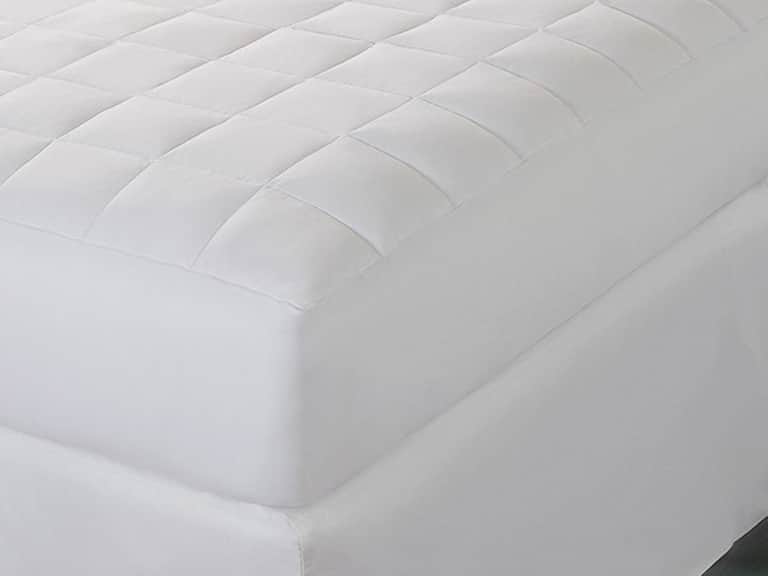
A latex mattress topper can be a way to adjust the feel of a bed without replacing the mattress. It adds a layer between the mattress and the sheets, changing the first impression your body gets when you lie down. The result depends on more than the word “latex” on a label: a topper’s thickness and firmness affect how much cushioning it provides, how readily it yields under pressure, and how connected you feel to the mattress below.
Understanding those differences helps set realistic expectations. A topper can fine-tune a sound mattress, but it cannot reliably repair one that is sagging, damaged, or no longer supportive. Think of it as an adjustment—not a magic reset button.
What a latex topper changes
Latex is known for a buoyant, responsive feel. Rather than slowly settling around the body in the way some sleepers associate with memory foam, latex generally compresses under pressure and springs back as that pressure shifts. The sensation can be described as gently lifting or supported, though the exact feel varies by formulation, construction, firmness, and thickness.
Placed on top of a mattress, the material creates a new comfort layer. It can ease the sensation of pressure at prominent areas such as the shoulders and hips, or make a firm mattress feel more forgiving. It may also alter how quickly the bed responds when you turn over. Because latex tends to recover its shape promptly, some sleepers find it easier to move across than a surface that feels more closely conforming.
Still, “latex feel” is not one universal experience. One topper may feel gently cushioned, another comparatively firm and springy. Latex source and manufacturing method can influence the material, but shoppers should avoid assuming that a particular label alone predicts how a topper will feel. The most useful information is the topper’s stated thickness and firmness, plus a clear return or exchange policy when available.
Why thickness matters
Thickness is the most visible difference between many toppers, and it has a practical effect: it influences how much material sits between your body and the mattress. A thinner layer tends to make a subtler change. A thicker one can create a more noticeable cushion and allow the body to sink farther into the added material, depending on its firmness and the sleeper’s weight.
That does not mean thicker is automatically better. A substantial topper may be welcome when a mattress feels uncomfortably hard and the underlying support remains even. But if the bed already feels soft, adding more cushioning may make it harder to settle into a stable position. The goal is not to create the plushest possible surface; it is to find a balance where the body feels comfortably cushioned while remaining well supported.
A thinner layer for a small adjustment
A relatively thin latex topper is often considered when the mattress is basically comfortable but needs a modest change. It may take the edge off a firm surface without making the bed feel entirely different. It can be a more measured option for someone who wants to preserve the underlying mattress’s character or who is uncertain about making a larger adjustment.
Because there is less material to compress, a thin topper may not provide enough relief for someone who experiences substantial pressure at the shoulders or hips. It also cannot compensate for a mattress whose support has deteriorated. The benefit is subtlety; the trade-off is that the change may be subtle, too.
A thicker layer for a more noticeable change
A thicker topper can make the bed feel more distinct from its original surface. Depending on firmness, it may provide more cushioning and allow more room for the body’s contours to settle. This can be appealing to sleepers who find their mattress too hard or who want a more substantial comfort layer without immediately buying a new bed.
More depth also means a greater chance of changing the overall feel in a way that does not suit everyone. A thicker, softer topper may feel too yielding for a stomach sleeper, or for someone who already feels as if their hips sink too far. The added layer can also affect the fit of fitted sheets and mattress protectors. Check the combined height of the mattress and topper before buying, and make sure the bedding can accommodate it.
Firmness is not the same as support
Firmness describes how hard or soft a surface feels at first contact. Support is about how well the sleep system helps keep the body in a comfortable, reasonably aligned position. They are related, but they are not interchangeable. A soft comfort layer can sit above a supportive mattress; a firm-feeling surface can still be a poor match if it creates uncomfortable pressure or does not suit the sleeper.
When selecting a latex topper, consider how its firmness interacts with the mattress beneath it. A softer topper over a firm mattress may add welcome cushion. A firmer topper can preserve a more stable, responsive feel while slightly changing the surface. But the mattress remains the foundation of the setup. If it has a persistent hollow or uneven support, a topper may follow that contour rather than correct it.
Firmness descriptions are not perfectly standardized across every manufacturer. A “medium” option from one source may not feel identical to another brand’s medium. If possible, look for a description of the intended feel, thickness, and available exchange terms rather than relying on a single firmness word.
How sleeping position can guide the choice
Sleep position offers a helpful starting point, not a strict rule. People move during the night, and comfort depends on individual proportions, preferences, and the mattress itself. Still, thinking about where your body presses into the bed can clarify what kind of change you are seeking.
- Side sleepers often feel pressure at the shoulder and hip. If the mattress is too firm in those areas, a softer or more cushioning topper may make the surface feel gentler. The layer should still feel stable enough that the body does not sink uncomfortably.
- Back sleepers may prefer a balanced surface that cushions the body without allowing the hips to settle excessively. A responsive latex feel can appeal to people who want some give while retaining a sense of lift.
- Stomach sleepers may be more sensitive to excessive softness around the midsection. A firmer, thinner option—or no added topper at all—may be worth considering if a softer surface makes the lower body feel less supported.
- Combination sleepers change positions and may value a surface that responds quickly when they move. Latex’s buoyant feel can suit that preference, although the specific firmness and thickness still matter.
Body weight also influences how deeply someone compresses a topper. Two people lying on the same material may experience different levels of sink and pressure relief. That is one reason a description that sounds ideal on paper cannot guarantee the same result for every sleeper.
The feel: buoyant, cushioned, and responsive
Many shoppers are drawn to latex because it can combine cushioning with a springy response. Rather than feeling swallowed by the surface, a sleeper may feel more on top of the bed. That quality can make it easier to change positions, though some people prefer the closer, slower contouring of other materials. Neither sensation is universally superior; they simply feel different.
Temperature is another part of the conversation. Sleep comfort depends on the whole bedroom setup—including bedding, room conditions, the mattress, and personal factors—not just the topper. Latex construction and the covers or sheets used with it can affect airflow and how warm the surface feels. If you tend to sleep hot, investigate the complete construction and choose breathable bedding, but treat cooling claims as product-specific rather than guaranteed.
Movement between partners can matter, too. A responsive material may make movement feel more noticeable to one sleeper than a more absorbing surface would. At the same time, how much motion travels across a bed depends on the mattress and its construction as well as the topper. Consider the complete sleep surface, not one layer in isolation.
Start with the mattress, not the shopping cart
Before choosing a topper, take an honest look at the mattress it will sit on. Check for visible sagging, uneven areas, damaged seams, or a change in support that has become more pronounced over time. Rotate the mattress if its care instructions allow it, and confirm that the bed base is stable and appropriate for the mattress. A weak foundation or uneven support can contribute to discomfort that a topper will not solve.
Then identify the problem in plain language. Is the mattress too firm at the shoulder? Does it feel too warm? Are you waking because the surface is uneven, or because you simply want a different texture? A latex topper is more likely to help when the issue is about surface feel or added cushioning. It is less likely to help when the underlying mattress is structurally worn or when discomfort has a cause unrelated to the bed.
It can be useful to keep brief notes for several nights: your usual sleep position, where you feel pressure, whether you feel supported, and whether you wake because of heat or movement. Patterns are more informative than one restless night. If pain is persistent or concerning, seek advice from a qualified healthcare professional rather than assuming a mattress adjustment will address it.
Fit, setup, and everyday care
Measure the mattress before ordering. Confirm its length and width as well as its depth, and check the topper’s dimensions. A poor fit can lead to shifting or overhang. If you use a mattress protector, fitted sheet, or other bedding, verify that it can fit over the combined mattress-and-topper height. A snug sheet that pulls at the corners may disturb the setup during the night.
Follow the manufacturer’s instructions for unpacking, placement, and care. Some materials need time to settle after shipping; others should be handled in a particular way. Use a suitable mattress protector if you want a barrier against spills, dust, and everyday wear, while checking that it does not make the surface feel warmer or less comfortable to you.
Care directions differ. Do not assume a latex topper can be machine-washed, soaked, or treated with any household cleaner. Check the label or manufacturer’s guidance before cleaning, and address spills promptly using the recommended method. Keeping the layer dry and properly supported helps avoid preventable damage.
When a topper may not be the answer
A topper is a comfort adjustment, not a substitute for a sound mattress. If the mattress has a deep, lasting depression, damaged support, or an age-related decline that affects the whole sleeping surface, adding a new layer may only disguise the problem temporarily. In some cases, it can make the bed feel less stable by adding softness over an already compromised foundation.
It may also be the wrong tool if the main concern is bed height, a noisy frame, poor room temperature, or a pillow that does not suit your neck and sleep position. Consider the whole sleep environment before deciding that the mattress surface is the source of every difficult night.
A simple decision-making checklist
Before settling on a latex mattress topper, work through a few questions. The answers can help narrow the choices without turning the process into a guessing game.
- Is the mattress still even and supportive, or is it visibly sagging?
- Do you want a small softening effect or a more noticeable change?
- Where do you feel pressure, and what position do you usually sleep in?
- Would added cushioning help, or might it make the bed feel too soft?
- Will your sheets and protector fit over the combined height?
- Does the seller explain the firmness, thickness, care instructions, and return or exchange terms?
These questions are more useful than choosing by thickness alone. A modest layer may be right for a sleeper who wants to preserve the feel of a good mattress, while another person may need a more substantial change. The best match is the one that addresses a specific comfort issue without creating a new one.
The bottom line
Latex mattress toppers can change how a bed cushions the body, responds to movement, and feels under different sleep positions. Thickness determines how pronounced that change may be, while firmness shapes how readily the layer yields and how supported it feels. Neither factor works in isolation: your mattress, body, sleeping position, and preferences all influence the result.
Start by identifying what feels wrong about your current sleep surface, then decide whether a topper can reasonably address it. Choose thickness for the scale of change you want, consider firmness in relation to the mattress beneath, and check fit and care requirements before committing. A thoughtful adjustment can make a good mattress feel more like your own. But if the foundation is worn out, the clearest path to better comfort may be addressing the mattress itself.